In 2025, augmented reality (AR) and virtual reality (VR) are no longer just exciting ideas—they are working tools reshaping how businesses reach and retain their audiences. From immersive brand storytelling to interactive product demos, AR technology is transforming the way we plan events, design advertising campaigns, and execute digital strategies.
Whether you are trying to boost customer engagement, simplify a complex product, or stand out in a crowded market, immersive experiences now offer a practical way forward. Here are 10 creative examples of AR marketing campaigns making an impact—and how you can build similar experiences without buying the tech outright.
1. Social AR campaigns deliver big brand lift
Snapchat and TikTok AR filters are now standard tools for digital campaigns. Brands using these platforms in 2025 reported 3x higher brand lift, 70% stronger recall and 59% lower cost per impression than traditional mobile ads.
As a form of AR advertising, these filters offer instant engagement, simple activation via QR codes, and formats built to go viral. They are particularly effective for short-term advertising campaigns or brand activations that need to drive results fast.
2. Nike’s AR mirror creates immersive retail
Nike’s AR Mirror, used in select stores, lets customers try on trainers virtually—mirroring their movements and offering personalised product info. It turns a standard shop floor into a layered digital journey, combining fashion with function.
The AR campaign also included exclusive offers triggered through interaction, helping to turn in-store browsing into action.
3. Maybelline launches the world’s largest AR mirror
To combine beauty and technology at scale, Maybelline New York partnered with FFFACE.me to create the world’s largest AR mirror—a 4,000 m² installation in Kyiv. The activation allowed shoppers to try on different looks virtually in a high-traffic environment, bringing digital beauty testing into the real world on a massive scale.
The mirror not only demonstrated the power of augmented reality in marketing, but also highlighted how immersive tech can attract attention, encourage interaction and leave customers with a memorable brand experience.

4. ARound keeps fans connected in stadiums
At major sports events in the US, ARound (by Stagwell) has brought shared AR experiences to life at venues like Minneapolis’ Target Field. The platform is a first-of-its-kind stadium-level AR experience designed to keep audiences engaged during game downtime through immersive, interactive games on their Apple and Android phones.
The technology enables up to 40,000 attendees to see and participate in the same shared experiences, turning potential distractions into interaction.
5. Burberry makes fashion wearable through AR
To celebrate its iconic Lola bag, Burberry launched an augmented reality shopping tool directly on its website. This WebAR experience allows shoppers to place a life-sized 3D model of the bag into their own environment from their personal devices, letting them see how it looks on a table or alongside an outfit.
This virtual try-on replicates the in-store experience, boosting buyer confidence and engagement. The results are clear: studies have shown that AR can boost conversion rates by up to 17% for retail brands.
6. Meta’s smart glasses bring AR into everyday wear
With over two million Ray-Ban Meta smart glasses sold, wearable AR is becoming part of daily life. While still early in development, these devices open new doors for hands-free, real-time brand interaction, from live translations to context-aware prompts.
Smart glasses are not just future-facing; they are quietly changing how brands think about augmented reality in marketing.
7. The Ordinary turns murals into immersive billboards
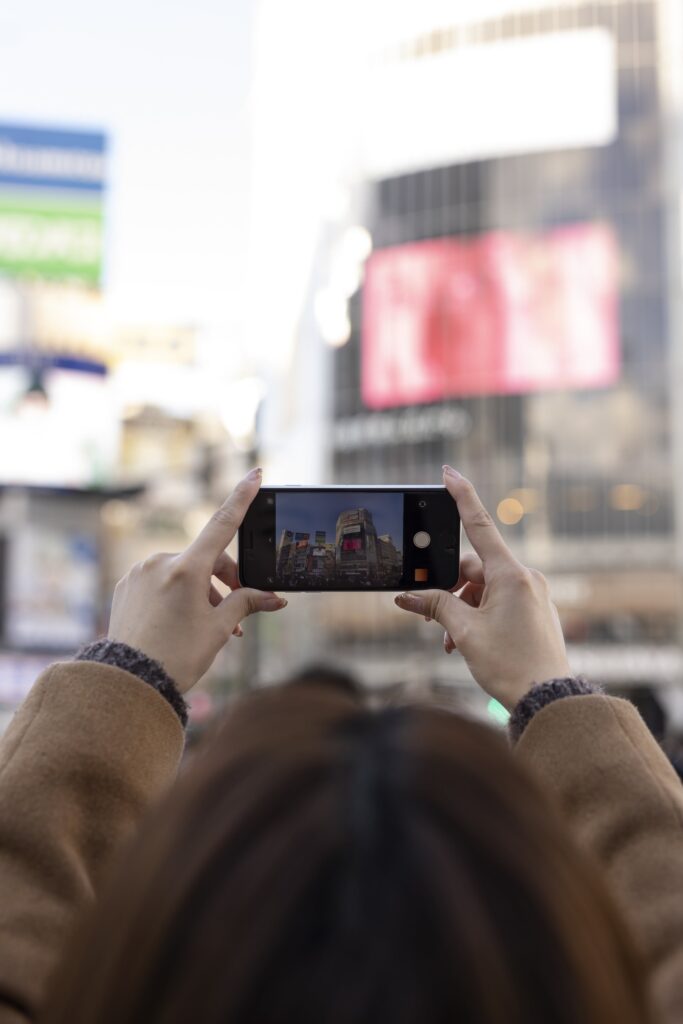
In a creative street-level activation, skincare brand The Ordinary used AR-enabled murals across key city locations. Scanning the wall with a phone camera unlocked product information, usage tips and embedded video, all via a browser-based AR experience.
This WebAR approach is simple to scale, requires no app downloads and adds an interactive layer to urban campaigns.
8. Brand giants show how WebAR drives retail
Several retail brands are turning to WebAR, augmented reality experiences that launch directly in a mobile browser. IKEA’s furniture previews, Sephora’s makeup try-ons and Pepsi’s bus-stop takeovers are excellent examples of AR marketing campaigns that prioritise ease of access.
Allowing customers to visualise how the products look and in their own space helps build their confidence, with 71% of customers saying they’d shop more often if they had access to AR tools. These tools cater to time-poor customers, encouraging deeper engagement by making exploration effortless.
9. TOMS builds emotional connection with VR
TOMS used virtual reality to share the story of its charitable mission in Peru. The experience showed users the real-world impact of their purchase by guiding them through the brand’s work on the ground.
This kind of emotional immersion transforms a typical advertising campaign into a cause-driven experience that builds loyalty and trust.
10. AmazeVR hosts global K-pop concerts in virtual reality
Music fans around the world tuned into AmazeVR’s HYPERFOCUS concert experience, featuring acts like Tomorrow X Together. Delivered through Apple Vision Pro and Meta Quest, the virtual tour ran from mid-2024 to mid-2025.
It was more than a livestream—it was a full concert experience, shot and designed in immersive 3D. Fans could enjoy front-row views from anywhere, demonstrating how VR can bring scale to high-quality event experiences.
Why this matters for your brand
These examples show that AR and VR are no longer experimental tools reserved for the tech sector; they are now practical solutions used across retail, sport, events and training. Whether you are trying to make a product demo more memorable, deliver more effective onboarding, or simply create something that stands out from traditional marketing, immersive tech gives you a competitive edge.
It is also measurable. With the right setup, AR/VR can improve outcomes and provide insight into how your audience engages, whether in-store, online or onsite.
And while it might seem like something only large brands can afford to build, the truth is, you do not need to develop it in-house to make it work.

Bring your AR/VR ideas to life, without starting from scratch
You do not need to build custom solutions or invest in expensive hardware to make immersive tech work for your business. With Hire Intelligence, you can get hands-on with AR and VR quickly, easily and without long-term commitment.
Whether you are planning a one-off activation or rolling out across multiple locations, we provide the latest VR technology, from headsets to interactive displays, pre-configured to your brief and ready to deploy. Our expert team will help you choose the right setup, deliver anywhere in the UK or Europe, and support you every step of the way.
Turn your immersive ideas into real-world results. We provide the technology and support to make it happen, quickly and efficiently.
Explore our AR and VR rental options or speak with our expert team today.