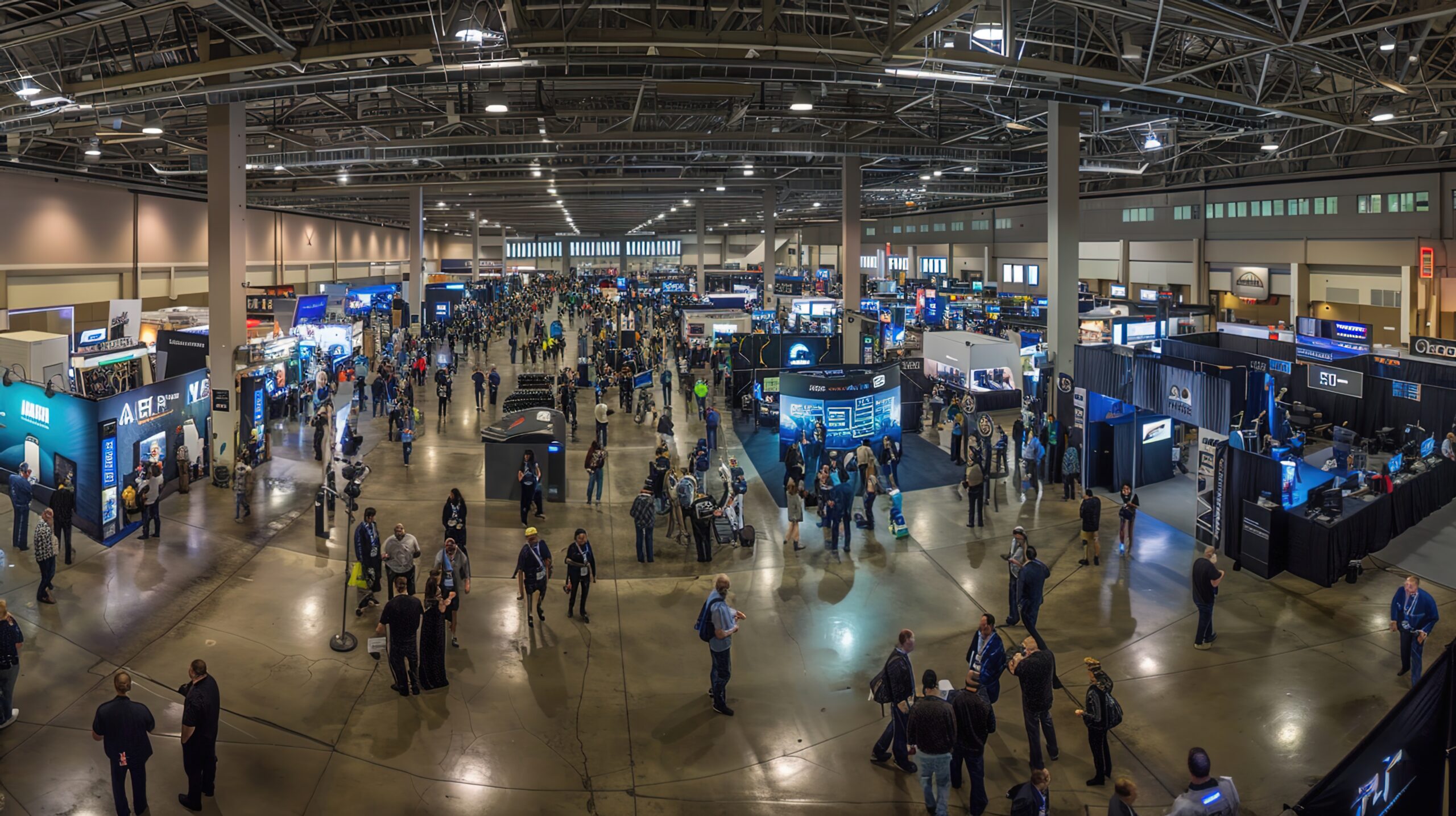
Walk the floor of any major UK trade show and the gap is obvious within thirty seconds. A handful of stands hold a crowd: people stopping mid-stride, pulling out phones, leaning in. Most don’t, and the difference rarely comes down to budget in the way people assume.
In practice, it comes down to access. The brands that look like they spent a fortune on technology usually didn’t buy any of it outright. They hired exactly what the stand needed, configured it for the day, and sent it back when the event ended. The expo technology ideas that actually work on the floor are more achievable than they look from the outside, because none of them require ownership.
Key takeaways
- The gap between expo stands that stop people in their tracks and stands that blend into the aisle is rarely about budget. It’s almost always about access to the right technology and enough lead time to plan it properly.
- LED video walls earn their place when they run live content and brand storytelling, not just a looping product video on a static screen.
- Touchscreens and interactive kiosks increase dwell time because they hand control to the visitor, not because the screen itself looks impressive.
- VR demos convert best in sectors where the product or process is hard to show physically, such as property, manufacturing and training. The brands getting the most from it plan for throughput from the outset, not just the technology.
Why the gap is smaller than it looks
Most event teams plan a stand around what they can buy or already own. That’s the wrong starting point. Owning a video wall or a fleet of VR headsets makes sense for a company running dozens of events a year, but for a single three-day expo, it almost never does.
The brands that consistently stand out treat their stand technology as a sourcing decision, not a capital purchase. They identify what the audience and the space demand, hire the right equipment for that specific event, and avoid carrying hardware that sits in storage for the other 362 days of the year. The technology itself isn’t exclusive. The access to it, used well, is what creates the gap.
That shift in thinking, from buying to sourcing, is what separates the stands people remember from the ones they walk past.

LED video walls: more than a big screen
A LED screen is often what stops someone in the aisle. But it only earns its place if it’s doing more than playing a looping product video. The ones that hold attention use the wall as a live storytelling surface:
- Real-time content that updates throughout the day
- Motion graphics tied to footfall or time of day
- A rolling brand narrative rather than a single five-minute loop on repeat
The detail that separates a strong LED stand from one that disappoints on the day is brightness, not content. A screen that looks sharp on a laptop during planning can wash out completely under the lighting rig of a busy exhibition hall, and getting the contrast and positioning right for the actual venue matters more than anything playing on it.
Touchscreens and interactive kiosks built to hold attention
Touchscreen technology shows up constantly in expo planning conversations, and for good reason. Product configurators, self-guided demos and digital catalogues consistently increase the amount of time a visitor spends at a stand.
The reason comes down to control rather than novelty. A visitor watching a screen is passive. A visitor navigating one with their own hands is making decisions, which keeps them engaged for longer and gives the sales team a natural opening that wouldn’t exist otherwise.

VR headsets at events: when they work and why
VR demos work best when the product or process being shown is difficult or impossible to demonstrate physically on a stand:
- Property developers use virtual showrooms to walk prospects through a development that doesn’t exist yet
- Manufacturers use VR to put visitors inside a process or environment that would otherwise need a site visit
- Training-led sectors use it to simulate scenarios that are expensive or risky to recreate live
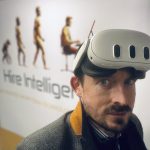
Where VR consistently underdelivers is queue management, not the technology. A single headset with a five-minute demo and no system for managing the line creates a bottleneck that puts more people off than it converts. The brands getting genuine value from VR hire plan for throughput from the outset, not the technology itself.
iPads and tablets: the fleet tool doing the most work
Tablets are often the hardest-working technology on an expo stand. Across registration, lead capture, interactive menus and wayfinding, a fleet of iPads is frequently doing more to drive outcomes than the showpiece technology beside it.
Stands that overspend on one flagship piece of technology often underinvest in the tablets that capture the leads it generates. A striking LED wall draws a crowd, but if the team can’t capture details quickly and accurately once that crowd arrives, the wall has done half its job.
PA systems and audio: the most underrated part of a stand
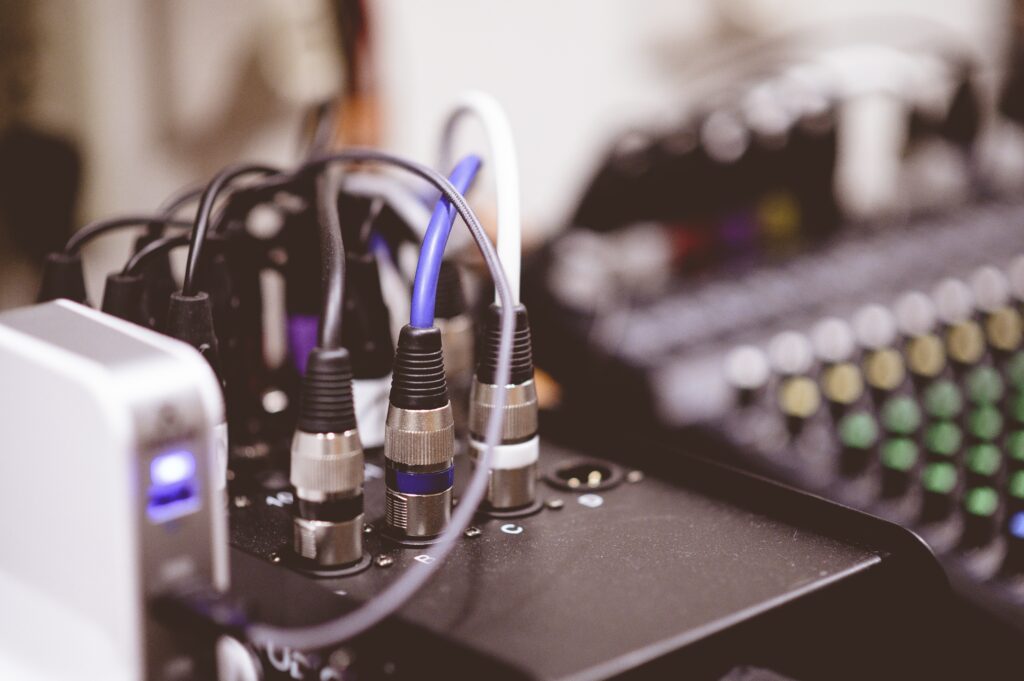
Audio determines whether everything else on the stand actually lands, and it’s one of the most underinvested expo technology ideas on the floor. Most stands size their PA for a quiet meeting room rather than a busy exhibition hall, which is what makes it one of the clearest points of difference available. A presentation with flawless visuals and a confident speaker still falls flat if the audience two metres back can’t hear over the noise of the hall.
A PA system sized correctly for the space, rather than for a quiet meeting room, is the difference between a presentation that holds an audience and one that loses them within the first thirty seconds.
Why renting makes this achievable, and greener
None of this needs to be bought outright. Hire Intelligence supplies LED screens, touchscreens, VR headsets, tablets and PA systems on a short-term hire basis, making these expo technology ideas realistic for a single event rather than something only a regular exhibitor with a warehouse of kit can pull off.
A quote typically comes back within 20 minutes, hire periods run from a single day to several months, and every device is asset-tracked from despatch to collection. Delivery and collection are arranged around the event schedule, which matters when a stand built only has a few hours of access before doors open.
There’s a sustainability angle worth a brief mention, too. Hiring equipment for a three-day expo rather than buying it outright means less hardware manufactured, shipped and eventually discarded for a single use. It isn’t the main reason exhibitors hire, but it’s a genuine benefit of the model.
This kind of equipment hire sits within Hire Intelligence’s broader marketing experiences and activations support, covering everything from a single touchscreen kiosk to a multi-device stand build.

Planning something similar?
The brands that stand out at expos aren’t working with expo technology ideas that are out of reach. They’re working with a supplier who can get the right equipment to the right venue, configured and ready, with enough lead time to plan it properly.
Tell us what you need and we’ll quote you in 20 minutes. Speak with the Hire Intelligence team about LED screens, touchscreens, VR, tablets or audio for your next expo, and we’ll confirm availability, prepare the equipment and arrange delivery around your build schedule.
Frequently asked questions
Q. How far in advance should we book expo technology hire?
A. Earlier is always better, particularly for LED screens and VR headsets, which are in high demand during peak exhibition season. For a single device, a few days’ notice can often be accommodated, but a multi-device stand build is best planned several weeks ahead to allow time for configuration and delivery scheduling.
Q. Can Hire Intelligence supply technology at short notice?
A. Availability depends on the equipment and the event date, but short-notice requests are common in the events industry and are accommodated where stock allows. The quickest way to confirm availability is to get in touch directly with the event details.
Q. Does the hire price include setup and configuration?
A. Hardware delivery, collection and asset tracking are included as standard. Software, content and configurator setup are typically handled by the exhibitor or their agency, since every stand’s content requirements are different. This is worth confirming at the enquiry stage so responsibilities are clear before the event.
Q. What happens if a piece of equipment fails during the event?
A. Technical support is available for the hardware throughout the hire period. If a device develops a fault, the priority is minimising disruption to the stand, with replacement arranged as quickly as the event location allows.
Q. Is hiring technology for an expo more cost-effective than buying it?
A. For a single event or occasional exhibitor, hiring avoids the capital cost of equipment that would otherwise sit unused for most of the year. Organisations exhibiting frequently may still find a mix of owned and hired equipment works best, depending on volume and venue variety.